Christmas tree netting marks an essential step in the delightful journey of bringing the holidays home. For many families, the tradition of selecting and transporting a fresh evergreen signals the official start of the festive season. Ensuring your tree arrives safely, intact, and décor-ready is easier than ever with the help of proper netting techniques.
What Is Christmas Tree Netting and Why Is It Essential?
Christmas tree netting is a stretchable mesh, often plastic or biodegradable, designed to compress tree branches during transport and storage. Wrapping your tree in this protective netting reduces bulk, prevents breakage, and makes loading it into your vehicle far more manageable. Plus, it protects delicate limbs and keeps pine needles contained during the journey home.
Beyond convenience, tree netting preserves the tree’s structure and shape, ensuring it remains as visually appealing as when you picked it. In cold-weather regions like Colorado or the Pacific Northwest, netting also acts as a wind barrier. It locks in essential moisture and guards against cold burn, helping preserve needle freshness during transport.
Most tree sellers—whether at farms or pop-up lots—automatically use mechanical netting systems after purchase. But if you’re cutting your own or sourcing from an unconventional location, you can manually apply netting using handheld sleeves or mesh rolls for the same results.
Best Practices for Transporting a Christmas Tree Safely
Once your tree is netted, it’s time to get it home securely. Begin by measuring your ceiling height—an 8-foot ceiling suits a tree about 6.5 to 7 feet tall when accounting for a stand and topper.
When loading the tree, always face the trunk forward on your vehicle to minimize branch damage. If transporting on a roof, use ratchet straps or durable twine, securing the tree via roof racks and crossbars. Avoid attaching it only to door frames or mirrors, which can be unsafe. If your vehicle lacks a roof rack, place a thick blanket between the tree and the car to prevent scratching the paint.
For pickup trucks, lay the tree flat in the truck bed and secure it at multiple points with ropes or bungee cords. In snowy states like Maine or Minnesota, double-check your knots and test for wind resistance. After arriving home, keep the tree in a cool garage or covered space for 12 to 24 hours to allow the branches to adjust before decorating.
How to Properly Unwrap and Set Up a Net-Wrapped Tree
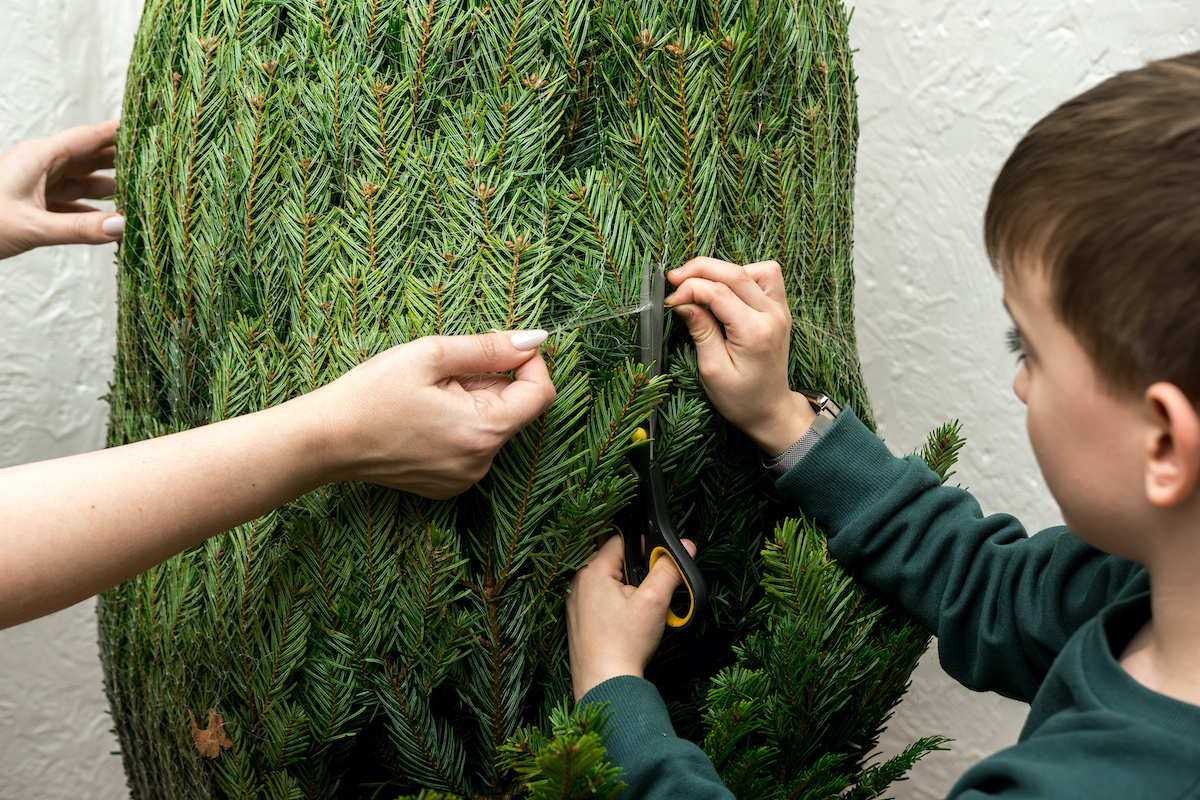
Unwrapping your Christmas tree netting is a crucial step before decorating. Bring the netted tree into a sheltered area like a garage or porch. This prevents loose needles and debris from scattering inside your home. Using scissors or gardening shears, start at the base and carefully snip the netting while peeling upward—avoid pulling aggressively, as this can damage buds or branches.
If the tree has been stored outside in the cold, let it acclimate for a few hours before setup. Place it in a sturdy tree stand with a water reservoir of at least one gallon. Before inserting, cut roughly half an inch from the trunk base to open the sapwood and enhance water absorption. Refill water daily, especially in warm or dry home environments like those found in Arizona or Southern California.
After setup, step back and visually inspect your tree. Gently adjust flattened or compressed branches and rotate the tree to highlight its best side—one tip is to view the angle from your main seating area, like the couch, for best presentation.
Using Netting to Improve Holiday Lighting Design
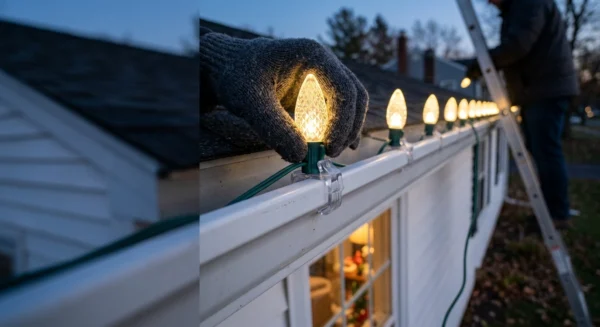
Christmas tree netting does more than aid transportation—it also assists with holiday lighting setup. When the tree remains partially netted, decorators gain a clearer view of the trunk and inner branches, allowing for strategic light placement.
Start by wrapping lights around the trunk for a radiant core glow. Then, gradually work outward as the branches settle into place. Choose warm white LED lights for a classic ambiance, or versatile color-changing bulbs for added fun. Plan for roughly 100 lights per vertical foot of tree height—for a 7-foot tree, that’s about 700 lights.
Use energy-efficient lighting with UL safety certification, especially in older homes with fewer grounded outlets. LEDs typically use only 4 watts per 100 bulbs, reducing the risk of circuit overload. For added sparkle, wrap fairy lights around select branches using floral wire for precision placement while the branches are still compacted from netting.
Creative and Eco-Friendly Uses for Christmas Tree Netting
While christmas tree netting traditionally serves practical purposes, creative decorators have discovered new ways to reuse this material around the holidays. For example, you can repurpose leftover netting to create luminous topiary displays on your front porch—just wrap netting around tomato cages, add string lights, and layer on seasonal décor like pinecones or berries.
In storm-prone regions such as Florida and the Carolinas, netting provides wind protection for delicate outdoor displays. Drape it over light structures or inflatable figures and secure it with garden stakes. It allows airflow while minimizing potential damage from gusts.
Netting is also a smart solution for holiday storage. Use it as a sleeve to wrap garland, string lights, or fragile items. This prevents tangling, reduces dust buildup, and extends the life of your décor investment.
How to Choose the Best Christmas Tree Netting
If you’re handling netting yourself, selecting the right material ensures success. Eco-friendly options made from jute, cotton blends, or other biodegradable fibers are excellent for single-use applications. These nettings decompose naturally and can be composted in green-waste programs.
For repeat users, opt for polyethylene or nylon mesh netting. Available in rolls between 3 and 12 inches wide, this material is flexible yet durable. Store it in a dry, cool place to prevent warping and mold growth between seasons. Retailers like Home Depot, Lowe’s, and Ace Hardware typically stock these rolls, especially in areas where live trees are popular, such as the Midwest and Pacific Northwest.
Celebrate the Season—Stress-Free and Sparkling
Integrating christmas tree netting into your holiday routine makes the process of bringing home and decorating your tree simpler, safer, and more enjoyable. From streamlined transport and branch protection to creative lighting advantages and decorative reuse, tree netting brings both form and function to holiday prep. When you embrace it as part of your festive tradition, you’re giving your tree—and your holidays—just the right support to shine.